What is Deepfaking?
Contents How Do Deepfakes Work? How Deepfakes Are Created Key Distinctions Between AI Porn and Deepfaking Summary
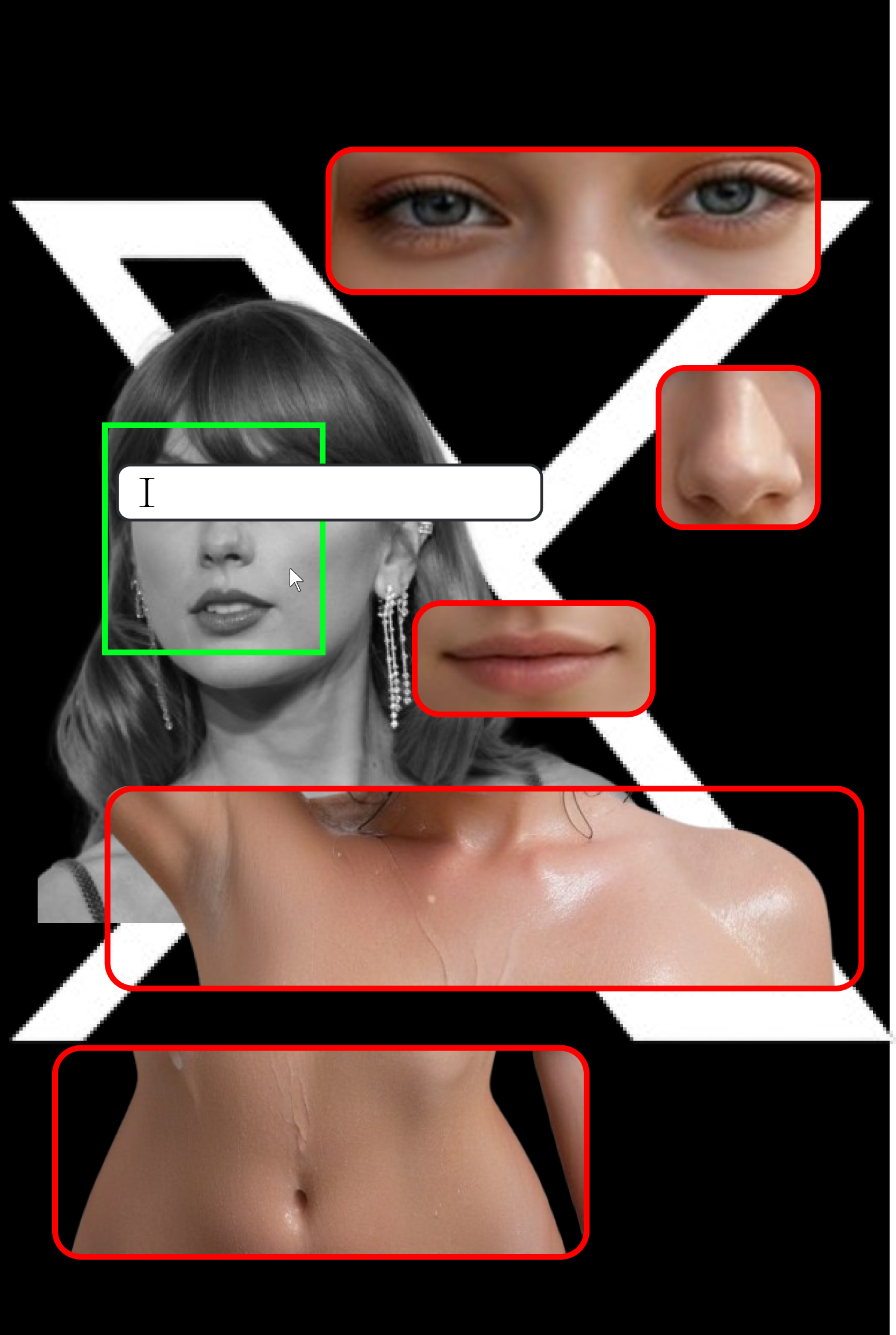
In January 2024, Non-consensual Intimate Images (NCII) of Taylor Swift, generated using Deepfake technology, were widely circulated on X (formerly Twitter), amassing millions of views before eventually being taken down. Despite the public outcry, including from the White House, social media platforms were slow to react. This incident highlights the growing misuse of AI-generated Deepfake pornography, which disproportionately targets women. 90% of all Deepfakes online are pornographic, making women the primary victims of this Deepfake content. The purpose of this article is to discuss what Deepfakes are, how they work, and the risks they pose, especially in creating NCII.
How Do Deepfakes Work?
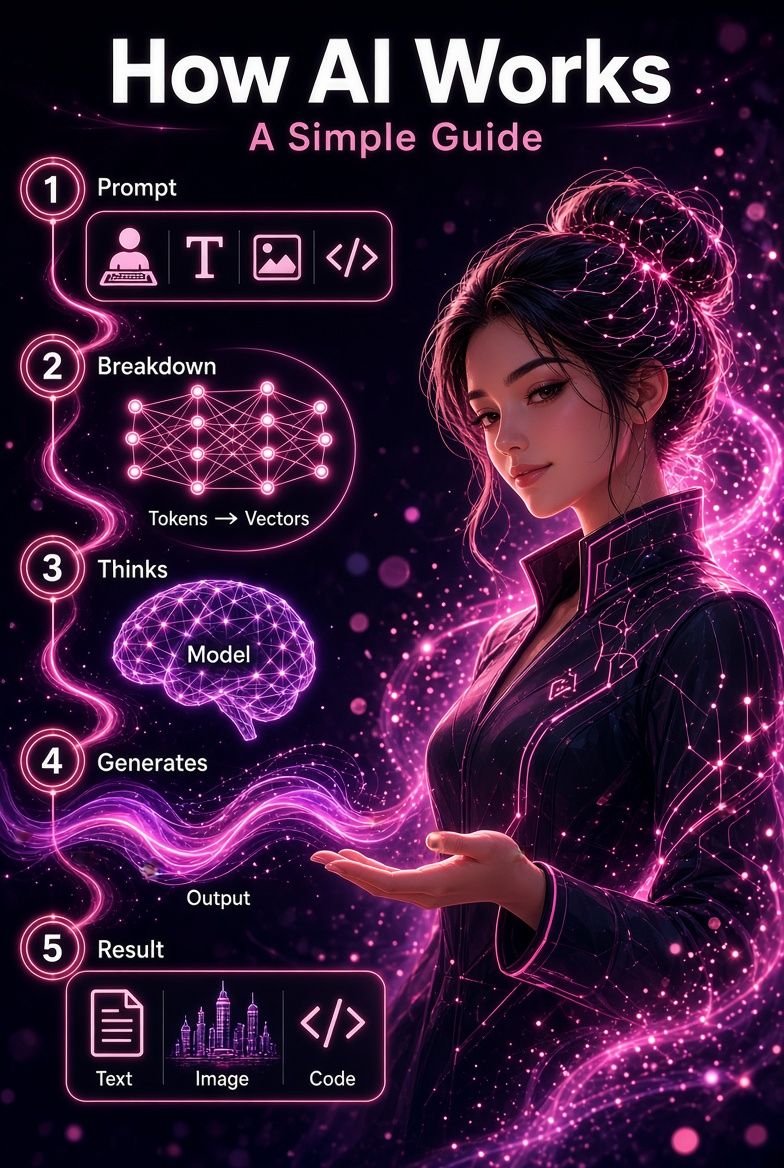
Deepfake technology involves the use of AI overlay a real person’s face onto another's body. AI systems, like Generative Adversarial Networks (GANs), work by having one model create fake content while another assesses its realism, leading to lifelike results. Although the technology was originally designed for entertainment and creative purposes, it is now commonly misused to create non-consensual pornographic content.
How Deepfakes Are Created
Users can create Deepfake images using the following methods:
This process, whether applied to AI-generated content or existing media, allows those with ill-intent to easily target individuals with harmful NCII. In 2023 alone, over 143,000 new Deepfake porn videos were uploaded, surpassing all previous years combined. This surge in NCII coincided with a rapid boom in 'Undress' and 'Nudify' Deepfake apps on the web.
Key Distinctions Between AI Porn and Deepfaking
Deepfakes are a small sub-segment of AI Porn. While both are AI-generated, the approach towards creating this content differ significantly. AI Porn generates synthetic, imaginary subjects using text-to-image models, meaning it does not involve real individuals. On the other hand, Deepfakes rely on real people's likenesses, superimposing their faces onto explicit material without their consent. This non-consensual use of real people’s identities makes Deepfakes far more invasive and harmful, violating their privacy and dignity.
Summary
The Taylor Swift Deepfake incident illustrates the growing issue of AI-generated non-consensual content and its impact on victims, further underscoring the urgent need for stronger regulations and proactive measures to prevent misuse.
Read More
The Ethical Implications of Deepfake Porn How Russian Hackers Are Using AI Deepfakes to Steal Cryptocurrency How Deepfake Technology Empowers the Creation Of Child Sexual Abuse Material (CSAM)