Most people didn’t learn about Deepfakes from a report or a news article.
They saw one.
A video that looked real at first. A voice that sounded familiar. Then something felt a little off. Not completely fake, just strange enough to notice.
Back then, those moments were rare. You could spot them if you paid attention.
That is not the case anymore.
The technology has improved fast. It is easier to use and easier to access. Because of that, the conversation has changed. It is no longer just about how Deepfakes are made.
Now it is about how we tell what is real.
That is where detection comes in.
Why Detection Needs So Much Data
At first, detection sounds simple. Build a tool that can spot fake content and flag it.
But it is not that easy.
Detection systems learn by studying patterns. They look at how real people move, speak, and react. They compare that to content that might be fake.
Companies like Microsoft and Google have built tools to do this. Research groups like DARPA are also working on it.
To work well, these systems need a lot of data.
They need real faces, real voices, and real behavior. That is how they learn what looks normal.
Resources like Deepfake detection overview on Wikipedia explain how these systems are trained and why they need so much information.
This is where the problem starts.
When Detection Starts to Affect Privacy
To catch fake content early, platforms often scan content as it is uploaded.
This helps detection systems work better.
But it also means that user content is being checked all the time.
From a system point of view, that makes sense.
From a user's point of view, it raises questions.
Who is looking at this content? When is it being checked?
Privacy rules like the General Data Protection Regulation say people should have control over their data.
Groups like the Electronic Frontier Foundation warn that constant scanning can lead to privacy risks.
Most of the time, users do not even know this is happening.
Detection Is Not Perfect
Detection tools are improving, but they still make mistakes.
Sometimes real content gets flagged as fake.
This can happen because of poor lighting, video quality, or editing.
For the person in the video, this can be a problem. It can affect how others see them.
At the same time, Deepfake technology is getting better.
Research shared on arXiv shows that fake content is becoming harder to spot.
So both sides keep improving.
That makes detection harder over time.
A Different Approach
Because of these issues, people are looking at other options.
Instead of checking everything after it is made, some systems focus on the moment content is created.
For example, SynthID adds hidden markers to AI-generated content. This helps identify it later without scanning everything else.
There are also projects like the Content Authenticity Initiative and the Coalition for Content Provenance and Authenticity. These track how content is made and edited over time.
These ideas do not solve everything.
But they reduce the need for constant monitoring.
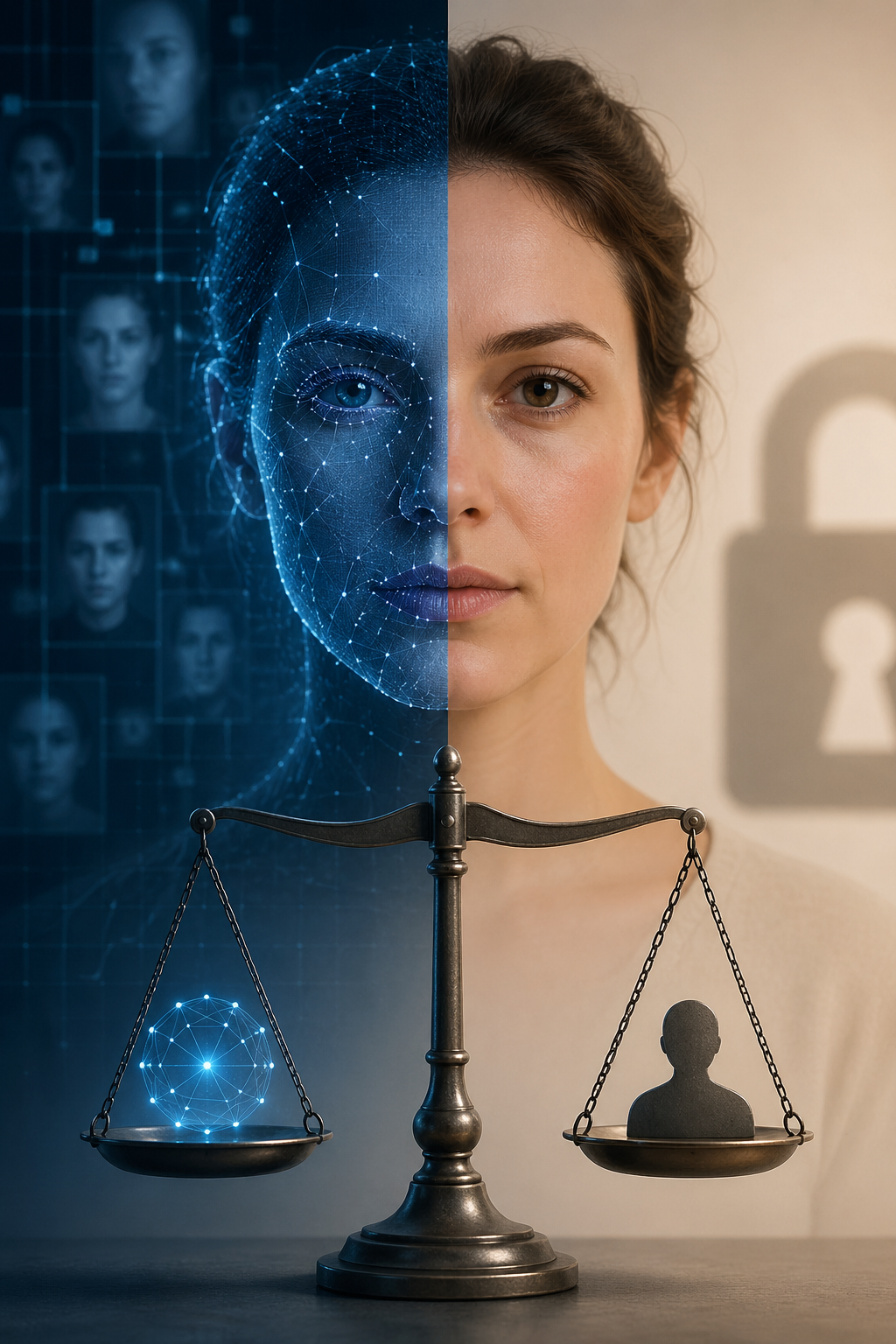
Why This Trade-Off Matters
There is no perfect solution here.
If detection systems use more data, they can be more accurate.
But that also means less privacy.
If they use less data, privacy improves.
But detection may not work as well.
This is the trade-off.
Where Things Are Going
The focus is starting to change.
Instead of trying to detect everything, there is more focus on building better systems from the start.
This includes clearer labels for AI content and better control over how data is used.
Groups like the Brookings Institution are studying how these changes can work in the future.
Detection is still important.
But it is not the only answer anymore.
Conclusion
Deepfake detection started as a tech problem.
Now it is also about how systems are designed.
These tools are getting better, but they need a lot of data to work well. That creates new privacy concerns.
The main question is not just whether something can be detected.
It is how detection happens and what it requires.
In the end, people need to trust the system.
And that trust depends on how well we balance detection and privacy.