


When the Block Button Isn’t Enough: The Hidden Infrastructure of Deepfake Communities
Deepfake abuse isn’t about single bad actors. It’s a network of tools, forums, and platforms that keep exploitation alive. Blocking alone can’t stop the system.
On this page
It is a feeling of reclaiming power to block someone on the internet. You press the button, and their profile has vanished, and you feel that the harassment is no longer there. However, with deepfakes, the block button is hardly the tip of the iceberg. The victims find that the same video or image that has been manipulated is already spreading on new accounts, forums, or even on whole websites. What appears to be a single bad actor is often part of a much larger machine.
As a matter of fact, deepfake abuse is not only a narrative about people who abuse technology. It is concerned with the underground plumbing that enables such communities to flourish, evolve, and stay ahead of the machinery designed to prevent these communities. When it comes to addressing this issue, we must cease perceiving it as a case of blocked accounts and begin to examine the networks that continue to sustain exploitation.
The Machinery Behind the Screens
Deepfake communities don’t survive on a single platform. They spread out across forums, Discord servers, Telegram groups, and anonymous marketplaces. Together, these spaces form a network that shares tools, tutorials, and stolen content.
The infrastructure is layered:
- Open-source software makes it easy for anyone to generate a fake with minimal skill.
- Hosting sites jump between domains when taken down, resurfacing again under new names.
- Payment systems, including cryptocurrencies, let sellers profit from exploitation without accountability.
This is why blocking an account feels useless. The content doesn’t disappear. It multiplies, moving through an ecosystem designed to protect abusers, not their victims.
Why Blocking Fails as a Safety Tool
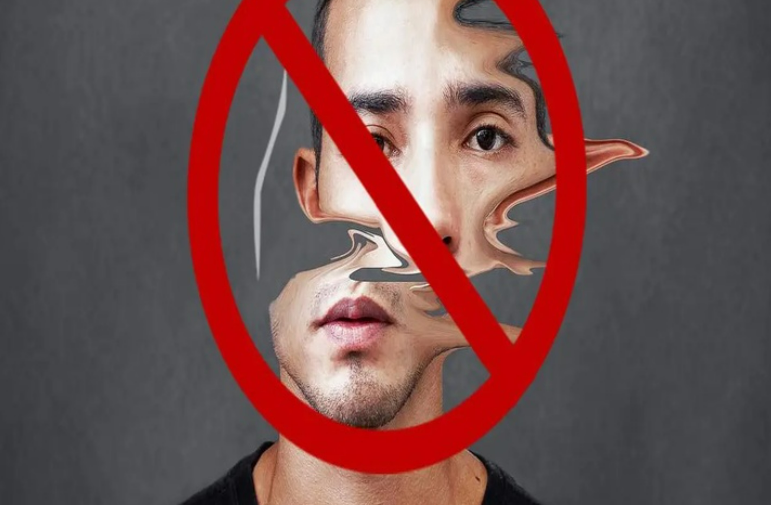
Social platforms often promote the block or report button as the first line of defense. But deepfake communities are skilled at evading these measures. When one account goes down, another is already waiting to replace it. Entire forums trade tips on how to bypass detection or migrate content to safer ground.
Victims describe the experience as endless. You shut one door, and five more open. The tools we’re given to protect ourselves were built for ordinary harassment. They weren’t built for an organized industry of digital impersonation. Blocking addresses the symptom, not the system.
The Cultural Shield of Deepfake Forums
One of the most dangerous aspects of these communities is how they normalize exploitation. In many forums, deepfake creators frame what they’re doing as “innovation” or even “artistic freedom.” They use tech-friendly language to excuse harmful practices, wrapping abuse in the language of experimentation and free expression.
This cultural shield creates an environment where victims’ pain is ignored. Real people, often women and marginalized groups, become targets for digital impersonation while perpetrators defend their actions as harmless curiosity. In reality, these spaces cultivate misogyny, erode consent, and create a sense of safety for abusers.
Shining a Light on Ethical Alternatives
It’s important to separate the problem from the potential. Not all AI-generated adult content is harmful. Ethical AI erotica exists, and it looks nothing like deepfake abuse.
Responsible platforms design their systems around consent and fiction. They generate characters entirely from scratch, never using real names, likenesses, or biometric data. They set clear rules against underage depictions, revenge scenarios, or impersonation. They publish disclaimers that make it clear: all content is fictional and safe.
This difference matters. Ethical AI erotica allows people to explore intimacy, fantasy, and self-expression without harming anyone. It offers privacy, autonomy, and inclusion. Unlike deepfakes, it doesn’t blur the lines of consent. It builds new spaces where consent is the foundation.
The lesson here is simple: AI isn’t the enemy. The enemy is the exploitative infrastructure built to weaponize it.
Toward Accountability and Action
If blocking is not enough, what is? The answer lies in targeting the root infrastructure that keeps deepfake communities alive.
This requires multiple steps:
- Regulation: Laws must catch up with technology, closing the loopholes that let exploitative sites resurface endlessly.
- Platform Responsibility: Companies must look beyond block buttons and commit resources to dismantling entire networks.
- Global Cooperation: Since deepfake communities often operate across borders, international coordination is crucial.
At the same time, ethical AI platforms can set the standard for responsible innovation. By showing that consent-first, fictional-only content is possible, they challenge the narrative that AI and harm must always go hand in hand. They prove there’s another path forward, one built on safety, transparency, and respect.
Breaking the System, Not Just the Symptom
When victims face deepfake abuse, the instinct is to use the tools we know: block, report, and delete. But those tools were never designed to fight an organized ecosystem. They silence a single voice while ignoring the chorus behind it.
The block button isn’t enough because the problem isn’t individual. It’s structural. Deepfake communities are powered by networks of tools, forums, and marketplaces that protect perpetrators while leaving victims vulnerable. Until we dismantle that infrastructure, we will keep fighting shadows.
The future doesn’t have to look like this. AI can be used to create safe, ethical, and empowering experiences. But that future depends on our ability to draw hard lines no stolen faces, no blurred consent, no exploitation disguised as creativity.
It’s time to stop pretending that blocking accounts solves the problem. It doesn’t. Real change means going after the systems that sustain abuse and building alternatives that show a better way forward.
Because intimacy should never come at someone else’s expense. And until we break the infrastructure of deepfake communities, the block button will always be too little, too late.



