The Hidden Victims of Deepfake Face-Swap Apps: A Growing Digital Crisis
Raising awareness of non-consensual deepfake harms and ethical alternatives.
On this page
The Hidden Victims of Deepfake Face-Swap Apps: A Growing Digital Crisis
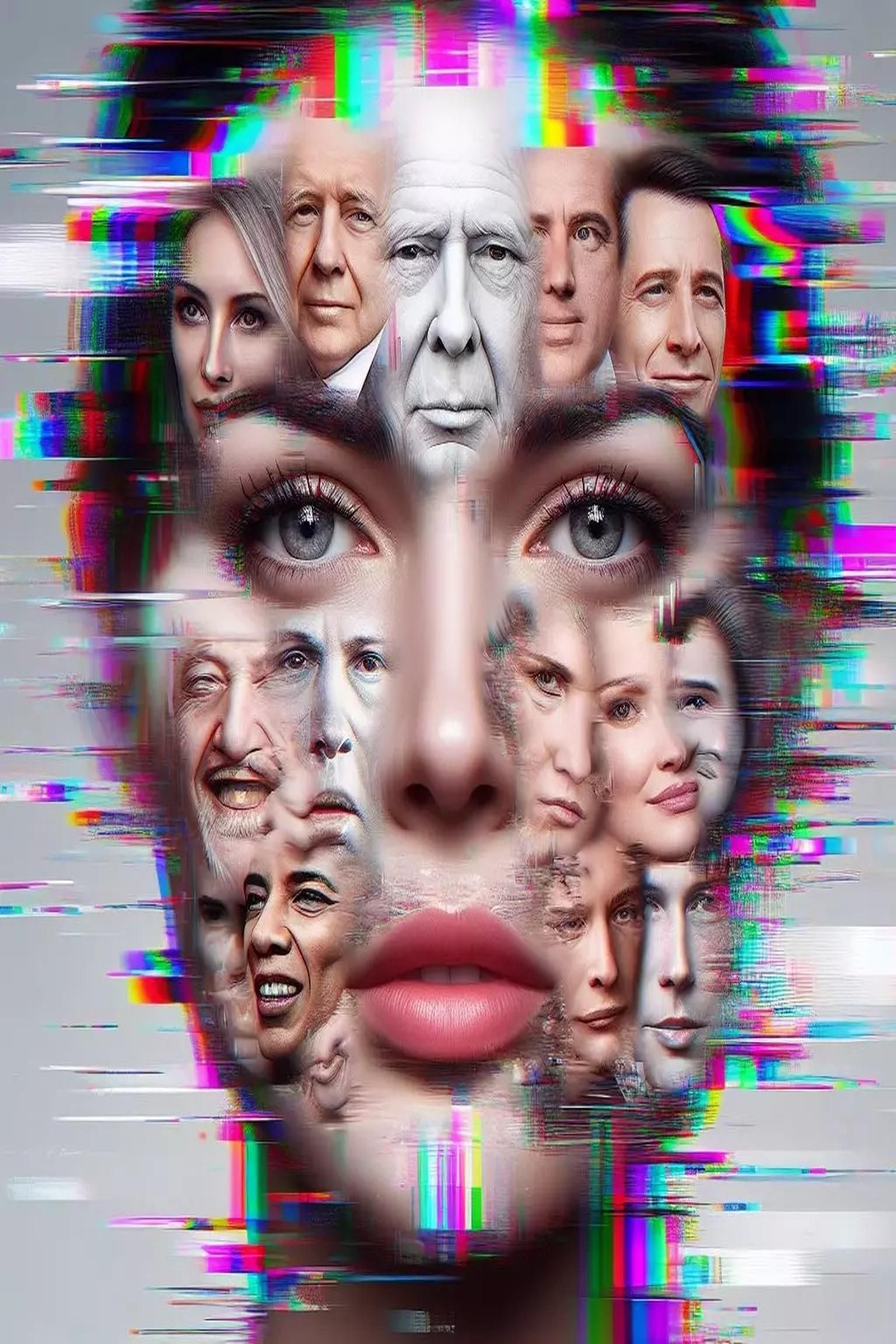
Imagine discovering your face in explicit content that you never created. You didn’t pose, you didn’t agree, and you may not even know it exists. Deepfake face-swap apps are becoming more common. They use AI to put real faces into fake, explicit images. The most shocking part is that these violations can happen without the victim knowing. This makes it one of the rare digital crimes where harm spreads quietly, without consent or awareness.
The use of such apps has expanded rapidly, quietly impacting people who never chose to participate. Public figures and celebrities grab the headlines, but hidden victims are everyday people. Their likenesses are used, changed, and shared, often without their knowledge.
The Mechanics of a Silent Violation
Deepfake face-swap tools use image input and machine learning. They often rely on facial superimposition, mainly through Generative Adversarial Networks (GANs). These models learn to copy facial features. Then, they map these features onto existing content, creating synthetic likenesses that can look very real.
Recent tools now allow users to upload a photo or simply type in the name of a recognizable person. They can produce altered content that mimics another person’s appearance with little effort. Many of these tools look like entertainment. They are sold as “fun filters” or “nudify” apps. But they can be used in very harmful ways.
As Deepfake creation becomes mobile, global, and less detectable, the potential for misuse continues to grow. These tools work fast and easily, so digital boundaries can be crossed before the target even knows.
The New Digital Anxiety: You May Already Be a Victim
One of the most distressing elements of Deepfake face-swap misuse is delayed discovery. Victims often find out through a third party, a social media leak, or a reverse image search. Until that moment, the content may have already circulated widely.
This emerging anxiety, “Am I in something I never agreed to? ” has become particularly common among women, minors, and public figures. But the risk is not limited to any single group. The tools affect everyone equally, but some groups face more harm than others.
For many, the digital violation is followed by emotional distress, confusion, and a feeling of helplessness. Victims may face more reputational harm since the content looks convincing. This raises the stakes even higher.
A Culture of Normalization and Shame
Despite the personal damage caused by non-consensual deepfake content, public perception remains conflicted. Some users minimize the harm, describing such content as “not real” or “just fantasy.” This attitude trivializes the issue and shifts the focus away from consent, a foundational principle in any form of adult media.
The cultural narrative often misplaces accountability. Victims carry the weight of shame. Meanwhile, those who make and share deepfakes stay anonymous and often escape punishment. This blame shift makes things tough for those impacted. Non-celebrities, in particular, may feel they cannot speak up or ask for help.
In practice, the absence of consent is not neutral; it is an ethical boundary crossed. Using someone’s likeness without their permission, especially in a sexual way, is not harmless just because it is digital.
Reclaiming Control Through Fictional Consent
There is an important distinction to be made: not all AI-generated adult content is exploitative. Ethical AI platforms are based on fictional consent. This means every model, scene, and interaction is made up. They are created from scratch with text-to-image tools and algorithmic characters.
Unlike Deepfake face-swap apps, these platforms do not allow the upload of real people’s images. They also implement filters to block names and likenesses associated with actual individuals. This boundary-setting keeps content in the realm of imagination. It also prevents crossing into someone else's identity.
AI porn tools can create fictional models instead of copying real people. This way, they provide safe and respectful experiences for users. It also helps protect the rights and privacy of individuals. It is a solution that doesn’t limit expression but redirects it responsibly.
Visibility is Power: Regulation, Moderation, and Awareness
Deepfake face-swap apps keep popping up with new names and websites. They often avoid legal checks by moving to places with looser laws. A big challenge in stopping abuse is that there are no global standards. This lack of rules makes enforcement inconsistent and reactive.
Ethical AI platforms show what responsible innovation means. Some of these include:
- Keyword filtering to block the names of real people.
- Ban on personal image uploads to prevent identity misuse.
- Human moderation is needed to flag and remove inappropriate prompts.
- Reporting tools for users to flag suspicious or harmful content.
While regulation is evolving, platforms don’t need to wait for legislation to act. Moderation systems and design safeguards are immediate ways to reduce risk and protect both users and the public.
Conclusion
The real threat of Deepfake face-swap apps is how quietly they operate, how they can erase consent in seconds, and how they can hide harm in plain sight. Victims often remain invisible, their dignity compromised in ways they may never fully know.
But the solution is not to fear AI or halt innovation. The way forward is clear: draw a sharp line between real and fictional. Support platforms that prioritize consent, transparency, and user safety. Because in a digital world, the difference between harm and imagination is not the technology itself, but how we choose to use it.