


The Dark Reality of Deepfake Pornography: A Digital Crisis That Needs Urgent Action
Deepfake pornography exposes victims to irreversible harm and legal loopholes.
On this page
The Dark Reality of Deepfake Pornography: A Digital Crisis That Needs Urgent Action
Technology is evolving faster than we can keep up. AI, once seen as a tool for innovation, is now being used in ways that destroy lives. One of the most disturbing misuses of AI? Non-consensual deepfake pornography.
Imagine waking up to find an explicit video circulating online—featuring your face. A video you never made, never agreed to and never knew existed. Yet, it looks so real that people believe it. Employers see it. The family sees it. Strangers comment on it. And worst of all? You can’t stop it from spreading.
This isn’t science fiction. It’s happening right now, every single day, to thousands of people around the world.
Understanding Deepfake Technology
Deepfake technology is powered by artificial intelligence (AI), specifically Generative Adversarial Networks (GANs). These advanced algorithms can create hyper-realistic images, videos, and even voices—completely fabricated, yet nearly indistinguishable from reality.
At first, deepfakes seemed harmless. They were used in movies, gaming, and even marketing. But it didn’t take long for bad actors to twist this technology into something sinister.
Here’s how deepfake pornography works:
- AI scans public images and videos. The software collects data from social media, LinkedIn profiles, and even personal blogs.
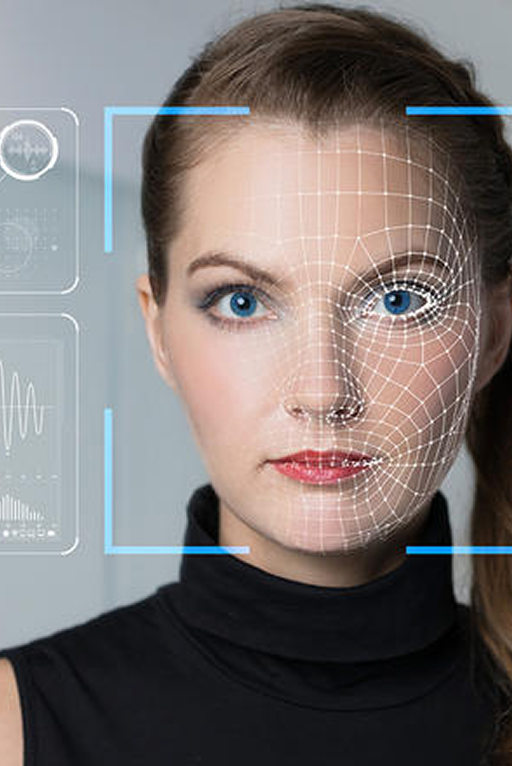
- It maps facial features—every tiny detail—expressions, angles, shadows—is learned and replicated.
- Faces are swapped onto explicit content. Using AI, a person’s face is seamlessly overlaid onto adult content, making it look completely real.
- It spreads online. Within minutes, the content is uploaded to social media, adult sites, and anonymous forums.
The worst part? It takes just a few clicks to create a deepfake pornographic video today. And it doesn’t require any technical skills—anyone can do it.
The Devastating Impact on Victims
The psychological, emotional, and social impact of deepfake pornography is devastating. Victims often feel:
- Violated and helpless: Imagine losing control of your face, your own identity.
- Humiliated and shamed: These videos make their way to employers, friends, and family, ruining reputations in an instant.
- Permanently scarred: Unlike traditional revenge porn, deepfakes don’t require real photos or videos. This means anyone can be targeted, and once a deepfake is online, it’s nearly impossible to erase.
Take the case of Taylor Swift, whose AI-generated explicit images spread like wildfire on social media. Even with her resources, removing the images proved challenging. If this can happen to a global superstar, what hope do everyday people have? The answer? Not much.
The Legal and Ethical Gray Area
Here’s the problem—the law hasn’t caught up with technology. In most countries, non-consensual pornography is illegal. But deepfake pornography? That’s a legal loophole because:
- It’s not "real." Since no actual recording took place, some legal systems don’t classify it as revenge porn.
- It’s hard to track—deepfake creators often remain anonymous, using encrypted websites and VPNs to hide.
- Laws are outdated. Most current laws were written before deepfake technology even existed.
That’s why:
- In the U.S., only a handful of states have laws against deepfake pornography.
- The UK has criminalized deepfake creation and distribution, but enforcement is weak.
- In most other countries, victims have no legal protection at all.
By the time legal action is even considered, the damage is already done.
Social Media’s Role in the Crisis
Big tech companies claim they’re fighting deepfake content. The reality? They’re not doing enough.
Platforms like Facebook, Twitter, Reddit, and Instagram are flooded with AI-generated explicit content. The problem?
- Slow response times: By the time content is flagged and reviewed, it’s already gone viral.
- Loopholes in moderation: Many deepfake videos slip through the cracks of AI detection systems.
- Re-uploads are endless: Even if a video is taken down, it’s re-uploaded within hours on different accounts.
Yes, some platforms are working on detection tools. But deepfake creators evolve faster than the tools designed to stop them.
What Needs to Change?
Fixing this crisis requires urgent action on multiple levels.
1. Stronger Global Legislation
Governments must update privacy laws to cover deepfake pornography and classify it as a criminal offense. There should be:
- Severe legal consequences for anyone who creates or distributes it.
- Fast legal takedown processes to remove content immediately.
- Strict international cooperation to close legal loopholes across borders.
2. AI Companies Must Be Held Accountable
The same AI that creates deepfakes can detect them, too. Tech companies must implement built-in safeguards to prevent AI from being misused.
This includes:
- Watermarking AI-generated content to flag potential deepfakes.
- Restricting public access to deepfake software unless used for ethical purposes.
- Mandatory transparency reports on how AI is being used.
3. Social Media Platforms Must Improve Moderation
Instead of waiting for deepfake porn to go viral, platforms should prevent it from being uploaded in the first place.
Solutions include:
- AI-driven detection tools that block explicit deepfake content instantly.
- Stronger penalties for accounts that upload deepfake porn.
- Fast-tracked removal requests for victims.
4. Public Awareness Must Improve
Most people don’t even know they can become victims of deepfake pornography. Digital literacy must be a priority, teaching people:
- How to recognize deepfake content.
- How to protect their online images.
- How to report and fight back.
The more awareness we spread, the harder it becomes for deepfake creators to operate.
Final Thoughts
Non-consensual deepfake pornography is one of the most dangerous threats in the digital world today. It strips people of their privacy, dignity, and basic human rights.
This isn’t just about the victims we know—it’s about anyone who has ever shared a photo online. It could happen to you. AI is meant to help humanity, not destroy lives. If we don’t act now, deepfake pornography will continue to ruin lives, unchecked and unstoppable. The time to take action is now.
Read More
How Deepfake Technology Empowers the Creation Of Child Sexual Abuse Material (CSAM)
Alexandria Ocasio-Cortez recounts horror of seeing herself in ‘Deepfake Porn’
How Deepfake Technology Dragged Emma Watson into Controversy



