


Teen Girls Confront an Epidemic of Deepfake Nudes in Schools
Students at Westfield High School used AI to create explicit deepfake images of female classmates, raising concerns about the misuse of AI and the need for stronger safeguards.
Teen Girls Confront an Epidemic of Deepfake Nudes in Schools
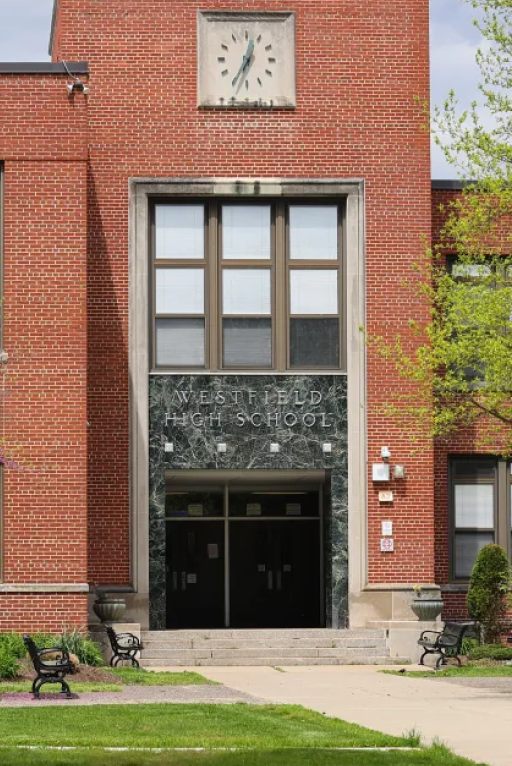
In April 2024, Westfield High School in New Jersey faced heavy backlash when male students used Deepfake apps to create and distribute explicit images of their female classmates. This act of digitally fabricating explicit images of real people without their consent, often referred to as "Nudification," targeted 10th-grade girls, including Francesca Mani, a 14-year-old student. The images were shared on social media platforms like Snapchat.
Despite being alerted to this, the Westfield school district faced criticism from affected families, particularly Francesca’s mother, Dorota Mani, for not taking swifter action. In a board meeting, Dorota expressed frustration, saying the district seemed to be "engaging in a master class of making this incident vanish into thin air." Although the school launched an investigation and provided group counselling, some parents felt the response was insufficient. The incident presents a growing concern about the misuse of Deepfake technology, where individuals now have access to powerful tools capable of fabricating explicit content using real people's faces. According to the FBI, distributing AI-generated Child Sexual Abuse Material (CSAM), even if faked, is illegal.
A Growing Concern In Schools
The event at Westfield High School isn't an isolated incident. Similar situations have transpired in other states, with some schools responding more decisively and with more greater severity. In Beverly Hills, California, middle school boys who created Deepfakes of their female classmates were expelled after the incident was discovered. These cases have prompted parents and educators alike to call for clearer policies and stronger safeguards to prevent the misuse of Deepfake technology in schools and in society at large.
These events highlight the growing ethical and societal issues surrounding Deepfake technology. What started as a tool meant for creative uses has increasingly become one for exploitation and harassment, particularly against women and young girls. The misuse of Deepfake technology to create Non-Consensual Intimate Images (NCII) can be seen as a violation of an individual's privacy and dignity. Often used to digitally humiliate or abuse an individual for the creator's personal gratification.
The psychological and reputation damage from these incidents has long-lasting effects, particularly for young girls. Similar to cases involving high-profile victims, the non-consensual nature of these images exacerbates the trauma experienced by the victims. Beyond emotional harm, such experiences can erode an individual's trust in social institutions to protect them. As such, Deepfakes raise serious questions about the importance of consent, as seen in this school incident, where insufficient safeguards and regulations were in place to prevent the misuse of these tools.
Conclusion
As Deepfake technology becomes more accessible, we believe that it is essential to address its ethical, social, and legal implications. Schools, like other institutions, must implement proactive policies and educate students about the consequences of using AI in harmful ways. This case also demonstrates the need for stronger legal frameworks to regulate the production and distribution of non-consensual deepfake material, especially when minors are involved. While progress is being made in curtailing Deepfake related abuse, these incidents show how urgent it is to strike a balance between the advancement of AI technology and protecting individuals from its misuse.



