


Generative AI Meets Fandom: Deepfake Economy vs Ethical AI Creativity
How generative AI is reshaping fandom, colliding with the Deepfake economy, and why fiction-only ethical AI protects creativity without identity theft.
On this page
Fandom has always been creative.
Fans write stories about their favorite characters. They design alternate costumes. They imagine scenes that never appeared on screen. Entire communities form around shared affection for fictional worlds.
But something new has entered that space. Generative AI.
Today, the same tools that help fans create original art can also replicate real actors, streamers, and classmates without consent. Fan culture and the Deepfake economy are now colliding, and the difference between creative tribute and identity theft is becoming harder for the public to separate.
The result is a growing tension between imagination and impersonation.
From Fan Art to Face Swaps
Traditional fan creation transforms fiction. A drawing of a character. A rewritten storyline. A parody edit. These works stay rooted in invented worlds.
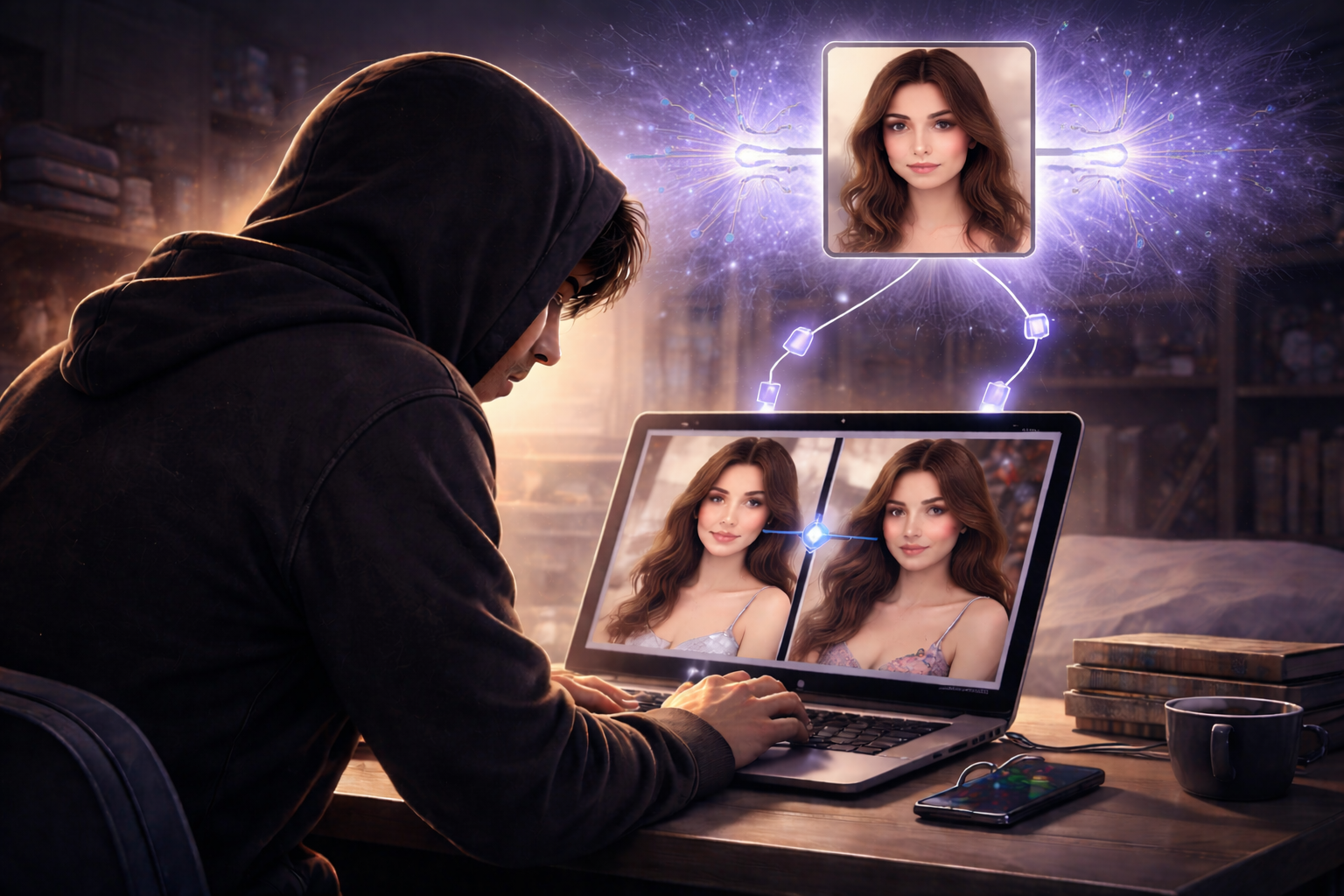
Deepfake tools change that dynamic. Instead of reimagining fictional characters, they place real faces into new contexts. A selfie becomes training data. A school portrait becomes a target. A public figure’s likeness becomes a template.
The underlying technology is well documented in deepfake generation research, where machine learning models map real facial features onto synthetic content.
What once required specialist knowledge now fits inside consumer apps. Investigations into AI-powered nudification and face-swap apps show how quickly these tools have spread into casual online spaces, including fandom communities.
In fan culture, the temptation is obvious. Why draw a character inspired by an actor when you can copy the actor directly? But that step crosses an ethical line that fan communities were never built to handle.
The Rise of the Deepfake Economy
Deepfake creation is no longer a fringe hobby. It has become an economy.
Private groups sell synthetic content. Subscription sites offer menus of real public figures. Others accept uploaded photos of private individuals. These services profit from identities used without consent.
Research collected on deepfake pornography shows that the overwhelming majority of non-consensual synthetic sexual content targets real people, not fictional characters.
Independent mapping of Deepfake networks by Sensity AI’s threat reports further shows organized commercial ecosystems built specifically around non-consensual identity exploitation.
This economy now overlaps directly with fan communities, where AI creativity and identity misuse sit uncomfortably side by side.
When Fan Communities Normalize Impersonation
Fan culture thrives on shared enthusiasm. But community norms matter.
In some spaces, Deepfake content is framed as “just fan edits.” That framing masks consent violations. A fictional character cannot be harmed. A real person can.
Victim advocacy organizations like the Cyber Civil Rights Initiative document how non-consensual synthetic imagery produces lasting psychological and reputational harm.
Academic research on image-based sexual abuse and synthetic media confirms that victims experience trauma even when the media is artificially generated.
As AI tools spread into youth-dominated fandom spaces, confusion between tribute and violation is becoming a primary driver of Deepfake normalization.
Law Is Starting to Intervene
Governments are now responding directly to synthetic impersonation harms.
In the United States, the TAKE IT DOWN Act introduces mandatory notice-and-removal systems for non-consensual intimate imagery, including certain AI-generated forgeries.
In the United Kingdom, policymakers have announced plans to criminalize the creation of sexually explicit Deepfakes. The UK government policy announcement explicitly targets synthetic sexual impersonation.
In the European Union, the AI Act transparency framework establishes disclosure and labeling obligations for synthetic content that could be mistaken for real.
Canada’s proposed Online Harms legislation Bill C-63 similarly introduces baseline accountability for platforms hosting synthetic sexual abuse.
None of these frameworks bans fan creativity. They target impersonation, deception, and non-consensual identity use.
Where Ethical AI Erotica Fits
Ethical AI erotica operates on the opposite foundation.
No real-person likeness.
No celebrity names.
No personal image uploads.
No identifiable voice cloning.
Instead, platforms generate fictional characters from scratch, eliminating identity theft.
This aligns with established legal principles surrounding the right of publicity, which protects individuals from unauthorized commercial or sexual exploitation of their identity.
In fandom terms, this is equivalent to creating original characters rather than stealing an actor’s face.
That distinction is not cosmetic. It is the difference between creative freedom and personal violation.
Designing Fan Spaces That Stay Safe
Fandom itself is not the problem. Platform design choices are.
Services that allow:
- Real-person prompts
- Image uploads of identifiable individuals
- Voice cloning of public or private figures
inevitably become Deepfake engines.
Platforms that:
- Block real-person references
- Enforce fictional-only character creation
- Implement strong moderation and reporting systems
create environments where fans can explore imagination without exploiting real people.
This approach mirrors what regulators increasingly describe as safety by design, rather than relying on detection after harm has already spread.
A Future Where Fandom Thrives Without Harm
Generative AI will continue expanding fan creativity. Interactive storytelling. Shared virtual worlds. Personalized art. New forms of participatory culture.
But the future of fandom cannot be built on stolen identities.
Deepfake culture and ethical AI creation are now diverging paths. One path copies real people into content they never agreed to. The other builds fictional worlds where no one is harmed.
Fan culture has always been about love for stories. Keeping that love ethical means refusing to drag real people into fantasies without consent.
Imagination can be limitless.
Identity must remain protected.



