


Beyond Images and Video: The Emerging Threat of Live Deepfakes
Live Deepfakes are changing online trust. Discover how real-time AI impersonation could impact business, media, and digital security in the years ahead.
On this page
Most people first heard about Deepfakes through strange viral clips online. A famous actor seemed to say something shocking. A political leader appeared in a video that did not feel quite right. At first, these cases felt rare. They also felt it was easy to question. People had time to think.
Now that is starting to change.
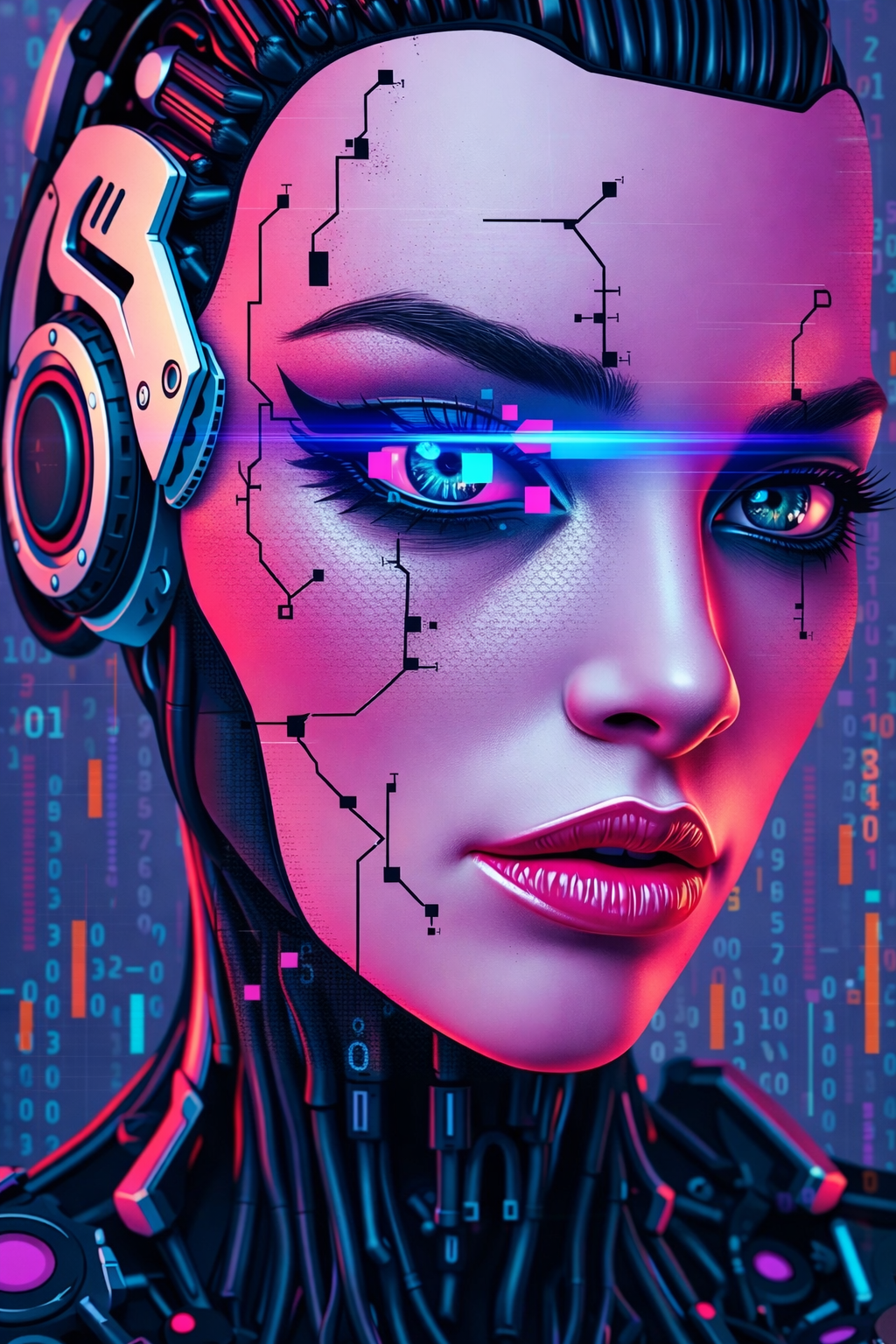
Artificial intelligence is moving fast. It is not just helping people edit photos or create videos anymore. It is also starting to change what happens during live conversations. This is where a new risk is growing. Experts are calling it the rise of live Deepfakes.
Instead of watching a fake video after it spreads online, people may soon face fake identities during real-time calls. Someone could appear on screen, talk naturally, and react like a real person. Later, it might turn out that the whole interaction was powered by AI.
Writers at MIT Technology Review have explained how Deepfake tools are spreading quickly. What started in research labs is now moving into everyday apps and online platforms. As tools become easier to use, the chances of misuse also grow.
At the same time, not all AI tools are built for deception. Some ethical AI image generators focus on creating fictional characters or digital art. They aim to support creativity instead of copying real people. This difference is becoming more important as technology keeps improving.
What Live Deepfakes Mean
A normal Deepfake is usually made after a recording is finished. Someone edits the content and shares it later. Viewers can replay the video and look for signs that something feels off.
Live Deepfakes work in another way. They happen during the conversation itself.
A person on a video call could look like someone else. A voice could change in real time. Facial expressions could be adjusted instantly. The interaction feels natural because the AI responds right away.
This is becoming possible because computers are getting faster. AI models can now create realistic visuals and audio with very little delay. Cloud servers and modern graphics hardware help make this happen.
News reports from Reuters have warned that the number of Deepfake incidents is rising. Many experts believe real-time manipulation could be the next step.
Why Real-Time Deception Is More Dangerous
When people watch a video online, they can stop and think. They can search for more information. They can ask others for their opinion.
During a live call, things move faster.
Someone might feel pressure to make a quick decision. They might trust what they see because the interaction feels real. Human communication depends on eye contact, tone of voice, and timing. Live Deepfakes can copy these signals.
This makes scams more convincing.
Imagine a manager calling an employee and asking for urgent access to company files. Imagine a friend asking for help during what seems like a real emergency. These situations are harder to question when they happen in real time.
Business and Security Concerns
Many companies now rely on video meetings. Teams work from different locations. Important decisions are made online. Often, people trust that they know who they are speaking to.
But that trust can be exploited.
Reports from BBC News have described fraud cases using AI voice cloning. Attackers allegedly copied a leader’s voice to approve payments.
If live video impersonation becomes more realistic, similar attacks could grow. Someone could pretend to be a senior executive during a call.
Sensitive information could be shared without proper checks.
This is why cybersecurity teams are paying closer attention to synthetic media risks.
Risks for Media and Public Trust
Live Deepfakes could also affect journalism and public communication. People often believe that live broadcasts are harder to fake. Seeing someone speak in real time creates a sense of authenticity.
That assumption may not always hold in the future.
Research from the Council on Foreign Relations has explored how Deepfakes can spread misinformation. Real-time manipulation could make this problem more complex.
If audiences begin to doubt live interviews or online events, trust in digital media could weaken.
Why Detection Is Hard
Finding fake content after it is posted is already difficult. Doing it during a live conversation is even harder.
Detection tools need to work instantly. They must analyze video and audio without slowing down the call. This limits how detailed their checks can be.
Studies shared through arXiv have shown that attackers can design Deepfakes to avoid detection. Internet connections also affect quality. Compression and lag can hide clues that software might use to spot manipulation.
In simple terms, real-time environments make defense more challenging.
A Safer Direction for AI Creativity
It is important to remember that AI itself is not the enemy. Many problems come from how tools are used.
Ethical AI image generation platforms show another path. These systems focus on fantasy art, design, and storytelling. They often include rules that prevent copying real people.
Guidelines such as the OECD Principles on Artificial Intelligence highlight the need for transparency and accountability. Responsible innovation can help build trust instead of breaking it.
Preparing for the Future
Experts believe that in order to combat misinformation, there will be a need for increased focus on prevention and away from reacting to new information. Projects such as the Content Authenticity Initiative are working to create systems to identify the origin, creation, and editing history of content. As these systems develop, they will make tracking what is authentic and what is fake much easier.
Conclusion
Synthetic media is moving into a new stage. It is no longer just about fake images or edited videos. Real-time identity simulation could soon become part of everyday digital life.
Technology will keep improving. Detection tools will improve, too. But trust online will depend on more than software. It will depend on how people choose to build and use these powerful systems.



