


When Students Become Victims: The Alarming Rise of Deepfake Porn in Schools
An investigation into the rise of Deepfake pornography in schools, how students become hidden victims, and why fiction-only AI platforms offer safer alternatives.
On this page
There was a time when school scandals spread through whispers in hallways. A passing note. A rumor. A blurry photo shared too many times.
Today, the harm can arrive fully formed.
A realistic, explicit image. A familiar face. A classmate who never posed, never agreed, and may not even know it exists. Deepfake pornography has quietly entered schools, and it is changing how digital harm unfolds for young people.
What once required technical expertise now fits inside a phone app. What once targeted celebrities now targets ordinary students. And the emotional damage is just as real, even when the image is synthetic.
How Deepfake Porn Reached the Classroom
Deepfake tools used to live in niche online communities. Now, many are marketed as simple “face-swap” or “nudify” apps. A student uploads a yearbook photo. The software does the rest.
Most of these tools rely on machine learning techniques documented in deepfake generation research. They map real facial features onto synthetic bodies, producing images that look disturbingly authentic.
Investigations into AI-powered nudification apps show how quickly these tools have spread through messaging apps and private groups. No advanced skills required. No technical barriers. Just a target photo and a few taps.
As the tools become easier, misuse becomes more casual. A joke. A dare. A moment of curiosity. Then a permanent digital violation.
The New Schoolyard Fear
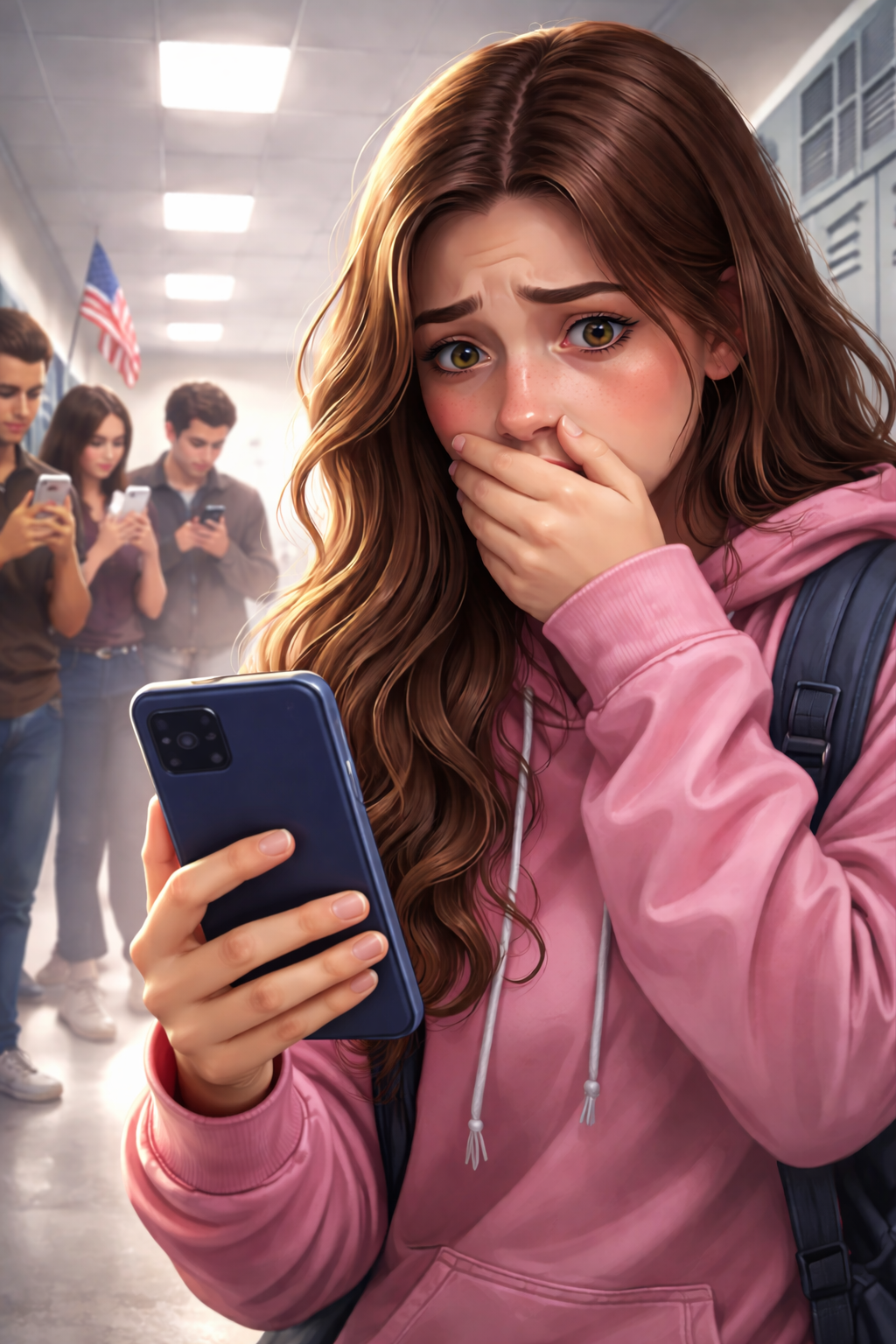
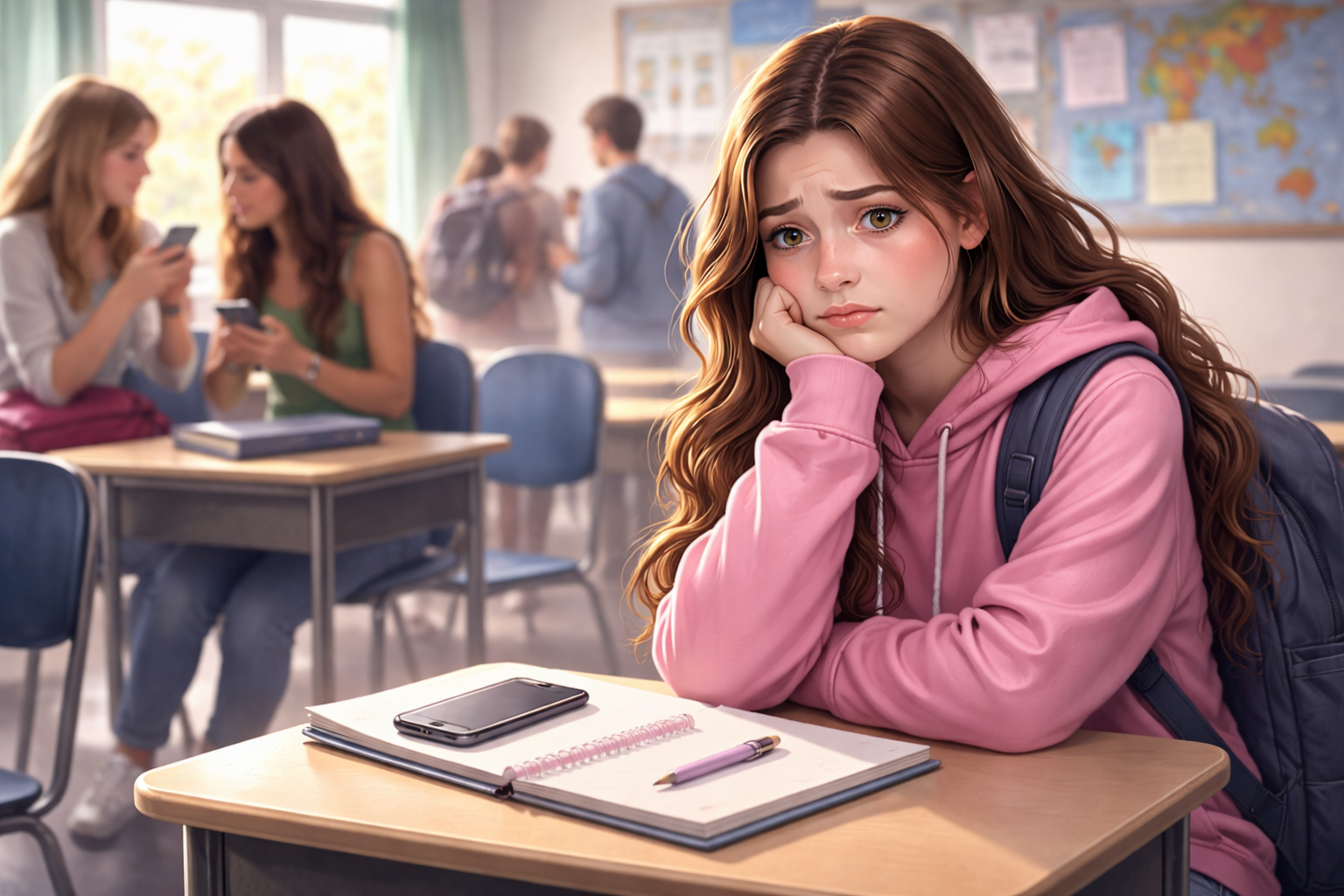
One of the most disturbing elements of student-targeted deepfakes is delayed discovery. Victims often learn about the content only after it has already circulated.
Educators are beginning to report this pattern. Investigations into deepfake pornography appearing in schools describe classmates generating explicit images of peers and distributing them through group chats. Victims frequently find out through screenshots sent by friends or parents.
Research on cyberbullying and synthetic image abuse in K–12 environments shows that synthetic sexual content creates a unique form of harassment. The image feels real enough to cause humiliation, yet difficult to prove as fake to others.
For teenagers still forming identity and self-esteem, that impact is amplified. The image may be fake. The shame is not.
Why Detection Is Not Enough
Many assume technology will simply “detect” Deepfakes and remove them. The reality is more complicated.
Traditional image search fails because synthetic images have no source. Hash-matching systems used to stop known abusive material do not work on newly generated content. Each image is unique.
Some research groups are developing forensic detection tools. Others are working on provenance systems like the Content Authenticity Initiative, which aims to attach creation history to media files. Projects like C2PA standards show promise for professional media and journalism.
But students creating abusive content are not going to preserve authenticity metadata. A screenshot bypasses the system. A repost strips the tags.
Detection helps after harm begins. It does not prevent the first violation.
Law Is Trying to Catch Up
Legal systems are now acknowledging that synthetic sexual abuse is not a niche issue.
In the United States, new laws addressing non-consensual intimate imagery increasingly include AI-generated forgeries. The TAKE IT DOWN Act requires platforms to build notice-and-removal processes for intimate image abuse, including certain synthetic cases.
In the United Kingdom, the government has announced plans to criminalize the creation of sexually explicit deepfakes. The UK government policy announcement explicitly references synthetic sexual imagery as a growing threat.
In the EU, the AI Act transparency framework is preparing rules requiring disclosure of synthetic media. Canada is pursuing online harms legislation that includes synthetic image abuse in its scope through Bill C-63.
Despite progress, enforcement in school environments remains difficult. Images move faster than policies.
The Emotional Cost for Young Victims
Synthetic abuse carries a cruel paradox. Victims are told “it is not real,” while experiencing very real consequences.
Victim support organizations like the Cyber Civil Rights Initiative document how non-consensual synthetic sexual imagery produces trauma, anxiety, withdrawal from school environments, and long-term trust issues.
For teenagers, reputation is social currency. A single fake image can reshape peer dynamics overnight. Even when proven false, the memory lingers.
The harm is not about pixels. It is about dignity.
Why Fiction-Only AI Matters More Than Ever
This is where ethical AI erotica must be clearly separated from Deepfake abuse.
Ethical platforms do not accept real-person images. They do not generate content involving real names or identifiable individuals. They build fictional characters from scratch.
That design choice removes impersonation from the system entirely. No student can be targeted. No classmate can be copied. No real identity can be pulled into a sexual scenario without consent.
Legal principles around the right of publicity make clear that harm arises when real identities are exploited. Fictional characters do not carry that risk.
In a world where students can generate harm with a phone, systems that refuse real-person inputs are not just ethical. They are essential.
Prevention Works Better Than Cleanup
Schools cannot moderate the entire internet. Parents cannot monitor every device. Detection will always lag behind creation.
Prevention by design is the only scalable solution.
Platforms that:
- Block real-person prompts
- Refuse image uploads of identifiable individuals
- Filter celebrity and private names
- Enforce strong reporting systems
- Use human moderation
remove the most dangerous misuse category before it starts.
This is safety by design. Not safe after damage.
A Shared Responsibility
Deepfake pornography in schools is not a technology problem alone. It is a design problem. A policy problem. An education problem.
Lawmakers are building frameworks. Educators are learning new risks. Platforms are choosing whether to prioritize consent or engagement metrics.
Students deserve better than becoming test cases for unregulated synthetic abuse.
There is room for AI creativity in adult spaces. There is room for fictional exploration. There is room for innovation that respects boundaries.
But there must be no room for dragging real children and teenagers into synthetic sexual content they never chose.
That is the line.
And it must stay sharp.



